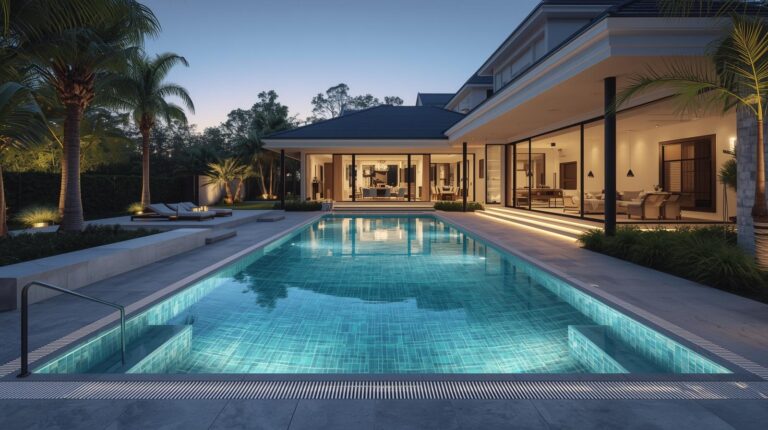



For decades, chlorine-based pools have dominated backyards and clubhouses across Southeast Asia. But as homeowners prioritise well-being and low-maintenance living, a new standard is emerging — the saltwater pool.
Saltwater systems use gentle electrolysis to generate chlorine naturally from salt, removing the need for manual chemical dosing and offering a more sustainable, health-conscious way to keep pool water clean.
By 2025, saltwater pools will account for over 60 % of new residential installations in Southeast Asia.
The Basics – How Each System Works
Traditional Chlorine Pools
- Rely on manual addition of chlorine granules or tablets
- Chemical levels fluctuate widely based on use and weather
- Produce strong odour and skin/eye irritation when mis-balanced
Saltwater Pools
- Use a salt chlorinator cell (like the iGarden Mr Pure Full Inverter Salt System) to convert dissolved salt into chlorine automatically
- Maintain stable sanitisation with minimal manual intervention
- Deliver a gentler, spa-like experience that is better for skin and equipment
Why Homeowners Are Making the Switch
| Reason | Saltwater Advantage | Impact |
|---|---|---|
| Comfort & Health | Soft, non-irritating water | No red eyes or chemical smell |
| Maintenance | Automated chlorine generation | Fewer chemicals to store or handle |
| Cost Efficiency | Lower operational cost after year 1 | Savings of 30 – 50 % per year |
| Longevity | Less corrosive on surfaces & equipment | Longer pump and tile life |
| Sustainability | Reduced chemical transport and waste | Smaller carbon footprint |
The Health Perspective
Medical and dermatology experts in the region increasingly recommend saltwater systems for families and frequent swimmers.
Key Benefits
- Natural sanitisation without harsh chemicals
- Better respiratory comfort – no chlorine vapour
- Skin hydration & recovery from mild salinity (approx 1/10 of seawater)
- Improved allergy tolerance for children and sensitive users
Saltwater systems also help pool owners avoid the constant cycle of over-chlorination and shock treatments that traditional pools require.
The Cost Equation
While a saltwater chlorinator installation costs slightly more initially, the ROI is clear within the first two years.
| Expense Item | Traditional Chlorine | Saltwater System |
|---|---|---|
| Up-front Cost | Low | Medium |
| Monthly Chemical Use | High | Minimal |
| Annual Maintenance | Moderate | Low |
| 5-Year Operating Cost | 100 % baseline | ~ 60 % of baseline |
Smart salt systems save both time and money — and that makes them smarter for the planet too.
Technology Upgrades in 2025
New AIoT salt systems like the premium version of the Mr Pure Full Inverter Salt Chlorinator use:
- Adaptive salinity control to auto-adjust output
- Temperature, PH & ORP sensors for precision
- Mobile app dashboards to monitor chlorine production and pH
- Energy-saving inverter design reducing power use by 40 % compared to standard models
Environmental Impact
A saltwater pool reduces chemical transport, storage, and packaging waste by up to 70 %. Water is retained longer because less frequent draining is needed.
Sustainable Practices to Adopt
- Combine a salt system with inverter pumps for optimal energy balance
- Integrate automated backwash controls to save water
Addressing Common Misconceptions
“Saltwater pools taste like the ocean.”
False — salinity is only around 3,000 ppm, compared to 35,000 ppm in seawater.
“They’re hard to maintain.”
The opposite — AIoT systems like Mr Pure automate testing and sanitisation.
“Salt corrodes everything.”
Modern materials and coatings prevent corrosion when installed correctly by qualified dealers.
Southeast Asia Market Outlook
Salt systems are growing at a CAGR of 9 % in Southeast Asia through 2030. Singapore and Malaysia lead adoption in the residential segment, with Thailand and the Philippines emerging quickly.
Drivers include:
- Rising chemical costs and import duties
- Health and wellness consumer demand
- Government sustainability targets
The Aquatic Advantage
Aquatic and iGarden bring the region’s most advanced salt chlorination ecosystem to market — combining AI sensors, energy-saving hardware, and intuitive control.
Mr Pure + InverPro + iWash = The Future of Effortless Pool Care.
Conclusion
Saltwater pools represent the future of smart, sustainable, and healthy swimming in Southeast Asia. They require less effort, use less energy, and provide a luxury experience that aligns with modern wellness living.
Make the switch — make pool care effortless.
Ready to experience the difference yourself?
Visit the Aquatic Pool Experience Center to see saltwater technology in action.